Frequently asked questions about life sciences
How are NI hardware and software used in life sciences testing and validation?
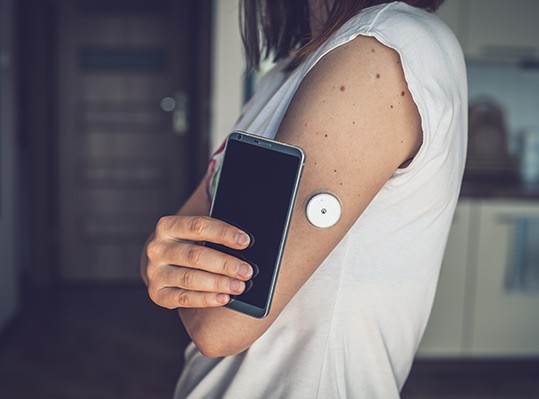
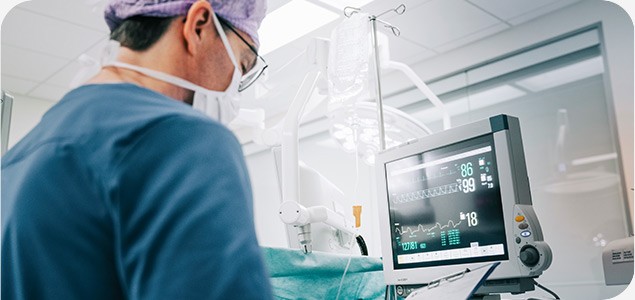
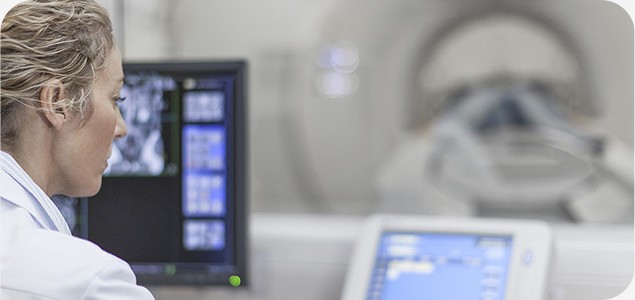
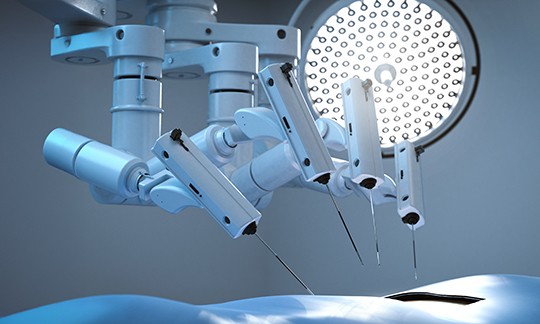
Engineers use NI hardware and software to develop, validate, and automate tests for life sciences and medical technologies, including implantable and wearable devices, medical imaging systems, surgical technologies, and patient monitoring equipment. NI systems can help engineers evaluate embedded software, wireless communications, sensor accuracy, battery performance, electrical safety, and device reliability. These capabilities help teams support product quality, regulatory compliance, and patient safety throughout development and manufacturing.
How do NI solutions address regulatory and compliance requirements for medical technology?
NI test and validation solutions provide accurate, traceable, and repeatable measurements to help medical device manufacturers address regulatory and compliance requirements. Modular hardware, automated test software, and data management tools help engineers verify device performance, validate safety-critical functions, document test results, and support quality processes throughout development and production.
Can NI solutions scale from medical device research and development to validation and production test?
Yes. NI hardware and software support medical device testing across design, validation, and production. This allows teams to carry consistent test technologies from early development through manufacturing. These capabilities support rapid development and validation as well as automated production test, helping teams maintain test quality, control development and test costs, and accelerate time to market for regulated medical technologies.
What are the advantages of using NI hardware and software for life sciences test and validation applications?
NI hardware and software help life sciences organizations build flexible, scalable test and validation systems that can adapt as requirements change. Modular platforms such as NI PXI, NI CompactDAQ, and NI CompactRIO can add measurement and input/output capabilities as needed. Support for industry-standard protocols and third-party instruments can also help organizations make use of existing infrastructure.
High-performance data acquisition hardware provides accurate, synchronized measurements from sensors, instruments, and devices under test. Software such as NI LabVIEW and NI TestStand helps streamline automation, test sequencing, data management, reporting, and validation workflows. Together, these capabilities can improve test repeatability, accelerate development and verification, and reduce the time and effort required to validate life sciences and medical technologies.