Frequently Asked Questions About CompactDAQ
What types of applications is CompactDAQ designed to support?
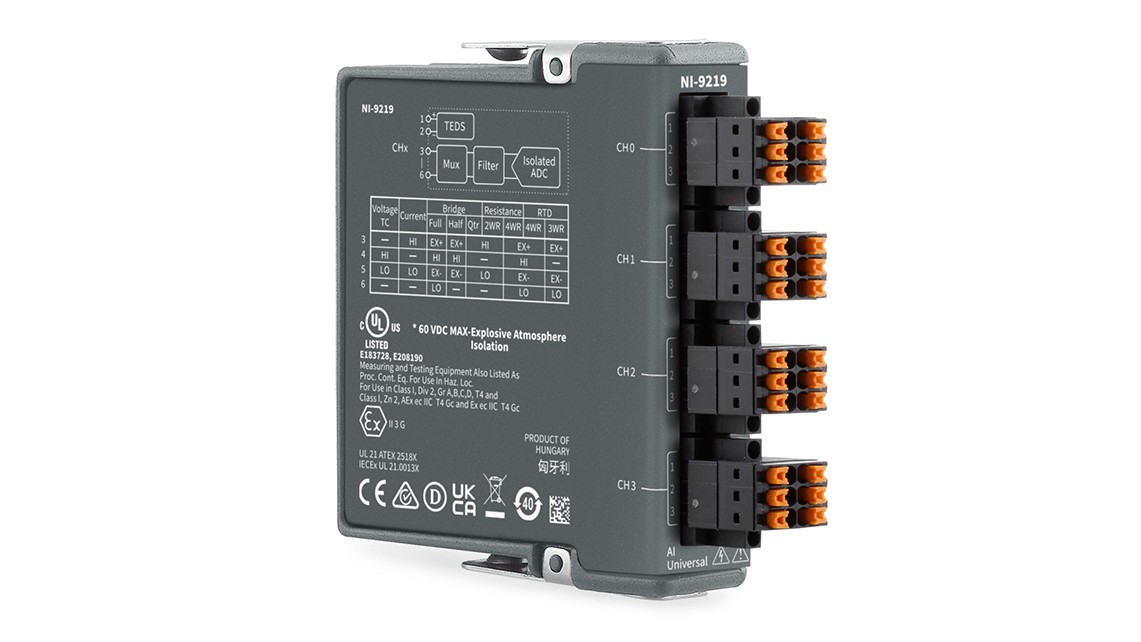
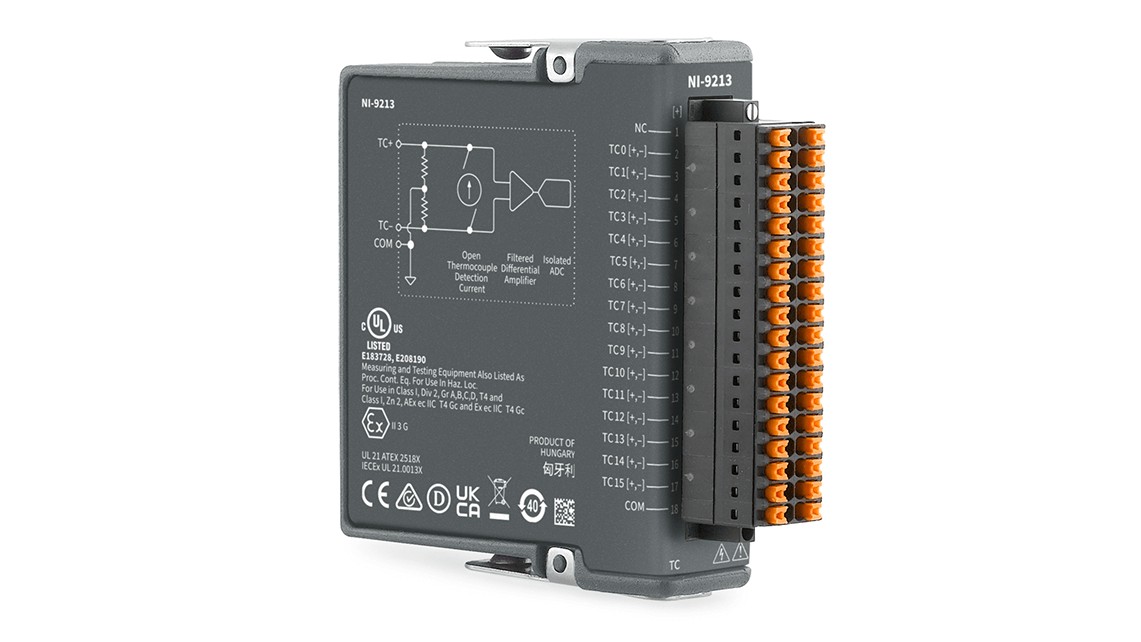
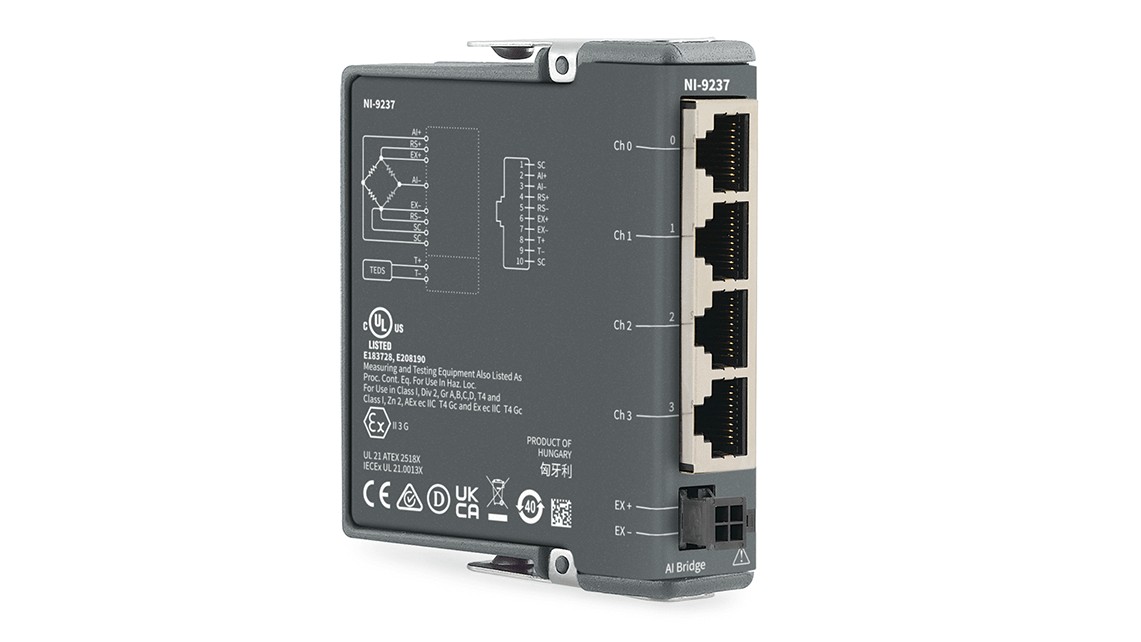
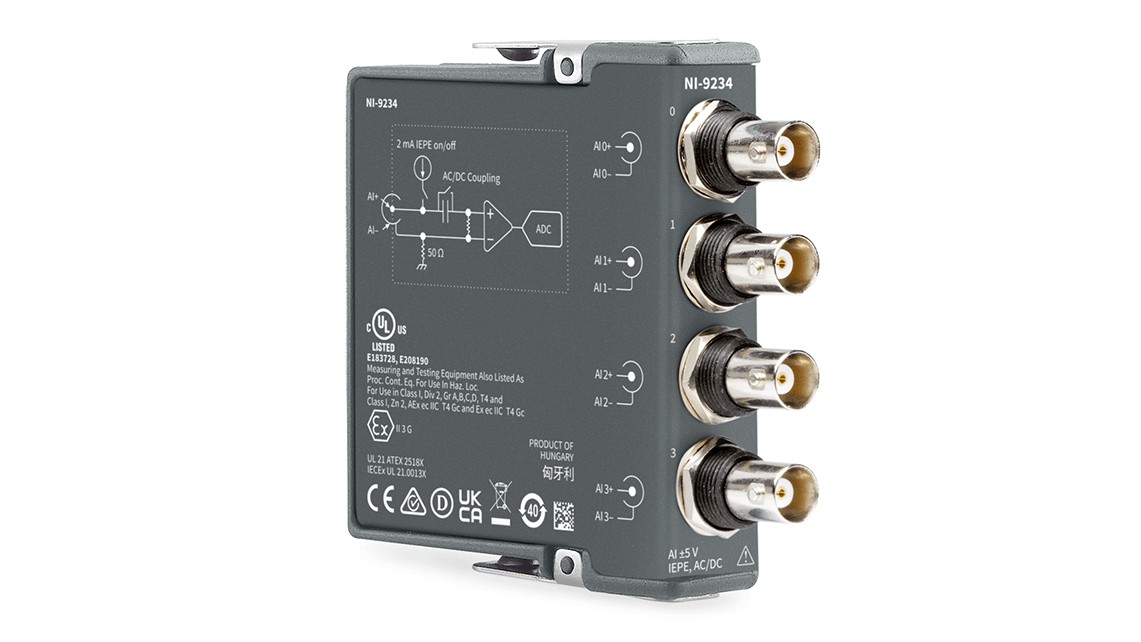
CompactDAQ is designed for mixed-sensor measurement, validation, monitoring, and data logging applications. Its modular architecture allows engineers to combine temperature, strain, vibration, voltage, current, digital, and other measurements within a single system, making it well suited for laboratory testing, product validation, manufacturing monitoring, and field deployments.
What are the advantages of using CompactDAQ versus traditional DAQ hardware?
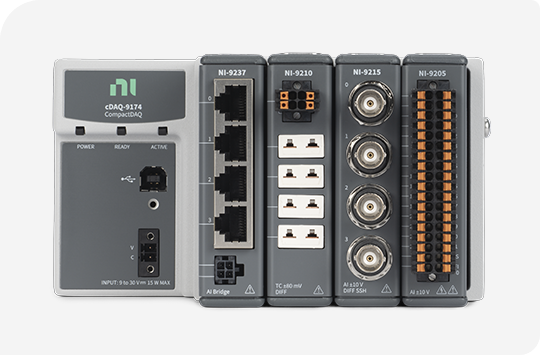
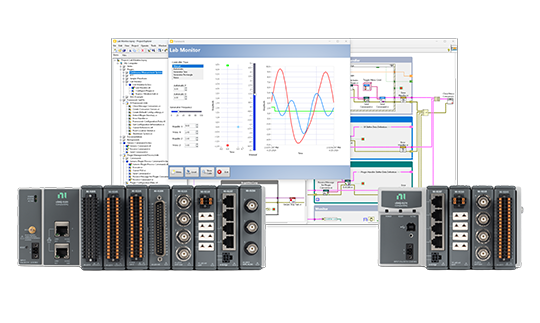
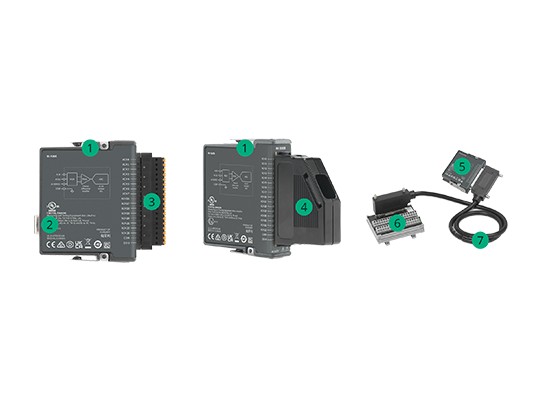
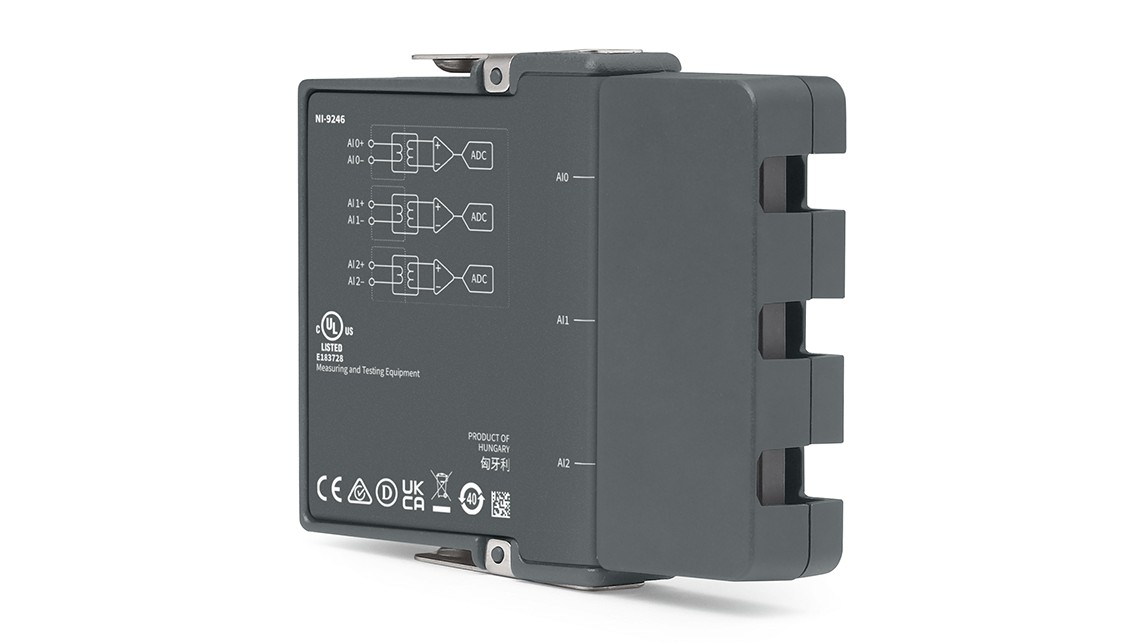
CompactDAQ offers greater flexibility, scalability, and ease of sensor integration through its modular architecture and broad portfolio of C Series I/O modules compared to traditional DAQ hardware. Engineers can mix and match measurement types such as temperature, strain, vibration, voltage, and current within the same system while benefiting from built-in signal conditioning that simplifies setup and reduces the need for external hardware. CompactDAQ can also be deployed close to sensors to reduce noise and wiring complexity, supports synchronized measurements across modules and even multiple chassis, and integrates with software tools such as NI-DAQmx, NI FlexLogger, NI LabVIEW, Python, and C/C++. These advantages make it well suited for applications that need accurate measurements, adaptable configurations, and the ability to scale from benchtop testing to distributed or field-deployed measurement systems.
Can I expand a CompactDAQ system later?
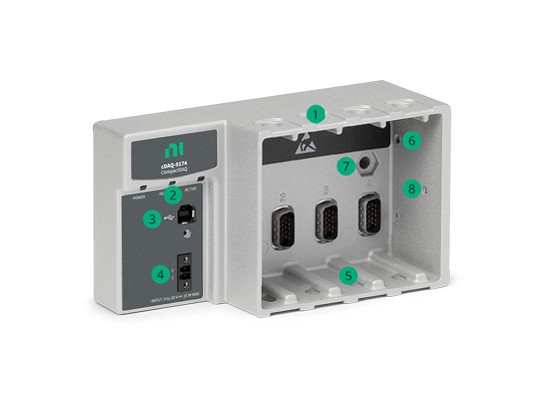
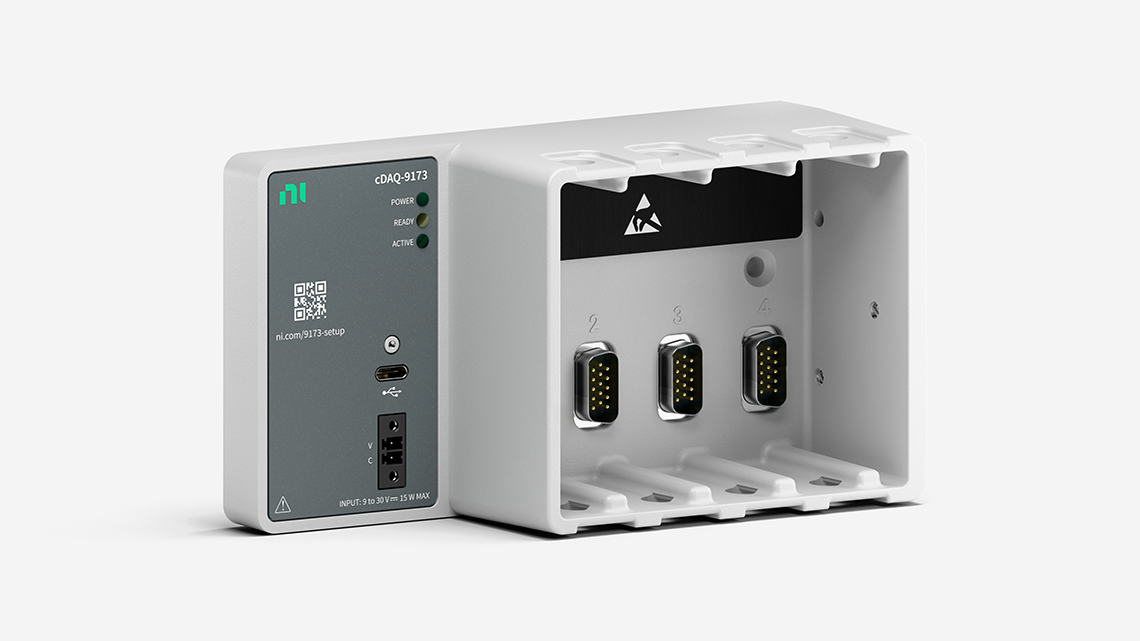
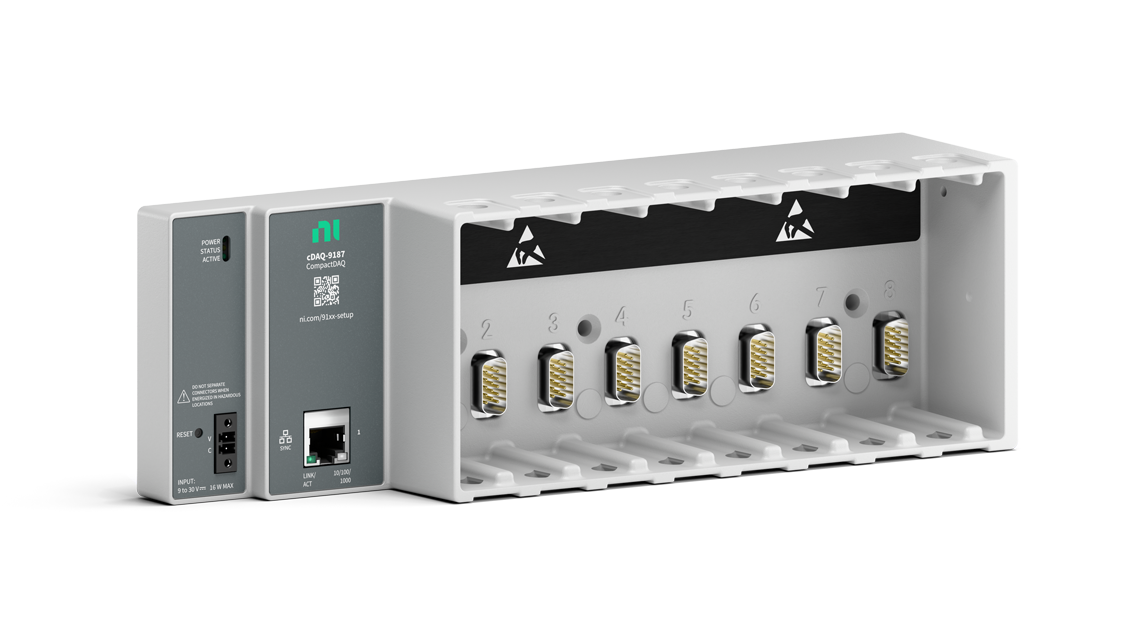
Yes. One of the key advantages of CompactDAQ is its modular design, which makes it easy to expand and adapt as measurement requirements evolve. Engineers can add or swap C Series I/O modules to support new sensor types or measurement channels and can choose from chassis with different slot counts depending on current and future needs. For larger applications, multiple CompactDAQ chassis can be synchronized and networked together, allowing systems to scale from a small benchtop setup to distributed or high-channel-count test deployments. This flexibility helps organizations protect their initial investment while adjusting to changing test requirements over time.