Eye Height and Width VI
- Updated2023-02-21
- 31 minute(s) read
Eye Height and Width VI
Owning Palette: Eye Diagram Measurements VIs
Requires: Jitter Analysis Toolkit
Computes the height and width of the eye opening and adds data to the eye diagram information that allows you to plot those values in an eye diagram. You must manually select the polymorphic instance to use.
Eye Height and Width (Statistics at Center, DBL)
Refer to the Details section of this topic for information about how this polymorphic instance measures the eye height and width.
This instance operates on the waveform data type when the Y data values are double-precision, floating-point numeric values. Use the I8 instance of this VI with integer data to reduce the size of the data and the memory usage.

 |
waveform is the waveform to measure.
| ||||||||||||||||||||||||||||||||||||
 |
eye diagram data in is a cluster of data that defines the eye diagram you want to plot. Use the Eye Data Generation VI to generate this cluster.
| ||||||||||||||||||||||||||||||||||||
 |
level specifies the voltage at which to measure the eye width. | ||||||||||||||||||||||||||||||||||||
|
time specifies the location along the unit interval at which to measure the eye height. The default is 0.5, which means this VI measures the height halfway along the unit interval. | ||||||||||||||||||||||||||||||||||||
 |
error in describes error conditions that occur before this node runs. This input provides standard error in functionality. | ||||||||||||||||||||||||||||||||||||
 |
waveform dup returns waveform unchanged. | ||||||||||||||||||||||||||||||||||||
 |
eye diagram data out is a cluster of data that defines the eye diagram with height and width measurements added.
| ||||||||||||||||||||||||||||||||||||
 |
height returns the height of the eye opening. Refer to the Details section for more information about how this VI calculates the height value. | ||||||||||||||||||||||||||||||||||||
|
width returns the width of the eye opening. Refer to the Details section for more information about how this VI calculates the width value. | ||||||||||||||||||||||||||||||||||||
 |
error out contains error information. This output provides standard error out functionality. | ||||||||||||||||||||||||||||||||||||
|
crossing percent measures the amplitude of the level crossings as a fraction of the mean values above and below the crossing level. |


Eye Height and Width (Statistics at Center, I8)
Refer to the Details section of this topic for information about how this polymorphic instance measures the eye height and width.
This instance operates on the waveform data type when the Y data values are 8-bit signed integers.
|
waveform is the waveform to measure.
| ||||||||||||||||||||||||||||||||||||
|
eye diagram data in is a cluster of data that defines the eye diagram you want to plot. Use the Eye Data Generation VI to generate this cluster.
| ||||||||||||||||||||||||||||||||||||
|
level specifies the voltage at which to measure the eye width. | ||||||||||||||||||||||||||||||||||||
|
time specifies the location along the unit interval at which to measure the eye height. The default is 0.5, which means this VI measures the height halfway along the unit interval. | ||||||||||||||||||||||||||||||||||||
|
error in describes error conditions that occur before this node runs. This input provides standard error in functionality. | ||||||||||||||||||||||||||||||||||||
|
waveform dup returns waveform unchanged. | ||||||||||||||||||||||||||||||||||||
|
eye diagram data out is a cluster of data that defines the eye diagram with height and width measurements added.
| ||||||||||||||||||||||||||||||||||||
|
height returns the height of the eye opening. Refer to the Details section for more information about how this VI calculates the height value. | ||||||||||||||||||||||||||||||||||||
|
width returns the width of the eye opening. Refer to the Details section for more information about how this VI calculates the width value. | ||||||||||||||||||||||||||||||||||||
|
error out contains error information. This output provides standard error out functionality. | ||||||||||||||||||||||||||||||||||||
|
crossing percent measures the amplitude of the level crossings as a fraction of the mean values above and below the crossing level. |

Eye Height and Width (Max at Center, DBL)
Refer to the Details section of this topic for information about how this polymorphic instance measures the eye height and width.
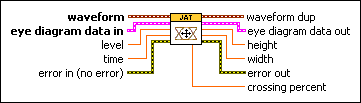
This instance operates on the waveform data type when the Y data values are double-precision, floating-point numeric values. Use the I8 instance of this VI with integer data to reduce the size of the data and the memory usage.
|
waveform is the waveform to measure.
| ||||||||||||||||||||||||||||||||||||
|
eye diagram data in is a cluster of data that defines the eye diagram you want to plot. Use the Eye Data Generation VI to generate this cluster.
| ||||||||||||||||||||||||||||||||||||
|
level specifies the voltage at which to measure the eye width. | ||||||||||||||||||||||||||||||||||||
|
time specifies the location along the unit interval at which to measure the eye height. The default is 0.5, which means this VI measures the height halfway along the unit interval. | ||||||||||||||||||||||||||||||||||||
|
error in describes error conditions that occur before this node runs. This input provides standard error in functionality. | ||||||||||||||||||||||||||||||||||||
|
waveform dup returns waveform unchanged. | ||||||||||||||||||||||||||||||||||||
|
eye diagram data out is a cluster of data that defines the eye diagram with height and width measurements added.
| ||||||||||||||||||||||||||||||||||||
|
height returns the height of the eye opening. Refer to the Details section for more information about how this VI calculates the height value. | ||||||||||||||||||||||||||||||||||||
|
width returns the width of the eye opening. Refer to the Details section for more information about how this VI calculates the width value. | ||||||||||||||||||||||||||||||||||||
|
error out contains error information. This output provides standard error out functionality. | ||||||||||||||||||||||||||||||||||||
|
crossing percent measures the amplitude of the level crossings as a fraction of the mean values above and below the crossing level. |
Eye Height and Width (Max at Center, I8)
Refer to the Details section of this topic for information about how this polymorphic instance measures the eye height and width.
|
waveform is the waveform to measure.
| ||||||||||||||||||||||||||||||||||||
|
eye diagram data in is a cluster of data that defines the eye diagram you want to plot. Use the Eye Data Generation VI to generate this cluster.
| ||||||||||||||||||||||||||||||||||||
|
level specifies the voltage at which to measure the eye width. | ||||||||||||||||||||||||||||||||||||
|
time specifies the location along the unit interval at which to measure the eye height. The default is 0.5, which means this VI measures the height halfway along the unit interval. | ||||||||||||||||||||||||||||||||||||
|
error in describes error conditions that occur before this node runs. This input provides standard error in functionality. | ||||||||||||||||||||||||||||||||||||
|
waveform dup returns waveform unchanged. | ||||||||||||||||||||||||||||||||||||
|
eye diagram data out is a cluster of data that defines the eye diagram with height and width measurements added.
| ||||||||||||||||||||||||||||||||||||
|
height returns the height of the eye opening. Refer to the Details section for more information about how this VI calculates the height value. | ||||||||||||||||||||||||||||||||||||
|
width returns the width of the eye opening. Refer to the Details section for more information about how this VI calculates the width value. | ||||||||||||||||||||||||||||||||||||
|
error out contains error information. This output provides standard error out functionality. | ||||||||||||||||||||||||||||||||||||
|
crossing percent measures the amplitude of the level crossings as a fraction of the mean values above and below the crossing level. |
Eye Height and Width (Search for Max)
Refer to the Details section of this topic for information about how this polymorphic instance measures the eye height and width.

|
eye diagram data in is a cluster of data that defines the eye diagram you want to plot. Use the Eye Data Generation VI to generate this cluster.
| ||||||||||||||||||||||||||||||||||||
|
error in describes error conditions that occur before this node runs. This input provides standard error in functionality. | ||||||||||||||||||||||||||||||||||||
|
eye diagram data out is a cluster of data that defines the eye diagram with height and width measurements added.
| ||||||||||||||||||||||||||||||||||||
|
height returns the height of the eye opening. Refer to the Details section for more information about how this VI calculates the height value. | ||||||||||||||||||||||||||||||||||||
|
width returns the width of the eye opening. Refer to the Details section for more information about how this VI calculates the width value. | ||||||||||||||||||||||||||||||||||||
|
error out contains error information. This output provides standard error out functionality. | ||||||||||||||||||||||||||||||||||||
|
crossing percent measures the amplitude of the level crossings as a fraction of the mean values above and below the crossing level. |
Eye Height and Width Details
Before you use the Eye Diagram Height and Width VI, use the Eye Data Generation VI to construct the eye diagram data in cluster. The following block diagram illustrates a common workflow for the Eye Diagram Measurements VIs.

Statistics at Center Polymorphic Instance
The Statistics at Center polymorphic instance does not calculate the eye height and width from the maximum eye opening. This VI measures the eye height as the difference between the inner 3 points on the inside of histograms of the voltage values on the y-axis. The top and base elements in eye diagram data out correspond to those inner 3 points. Similarly, this VI measures the eye width as the difference between the inner 3 points on the inside of histograms of level crossings times placed on the x-axis. In the case of width, the left and right cluster elements correspond to those inner 3 points.
The following front panel shows an eye diagram with the height and width this polymorphic instance calculates plotted.

Max at Center Polymorphic Instance
The Max at Center polymorphic instance measures the eye height as the difference of the lowest voltage at the top of the eye opening and the highest voltage at the base of the opening at the x-axis time you specify. This instance measures eye width as the difference of the lowest time value at the right of the eye opening and the highest time value at the left of the opening at the y-axis level you specify.
Search for Max Polymorphic Instance
The Search for Max polymorphic instance searches for the maximum eye opening and from its center, measures the eye height as the difference of the lowest voltage at the top of the opening and the highest voltage at the base of the opening. This instance measures the eye width as the difference of the lowest time value at the right of the opening and the highest time value at the left of the opening as measured from the center of the eye.
Examples
Refer to the following VIs for examples of using the Eye Height and Width VI:
- Basic Eye Diagram VI: labview\examples\Jitter Analysis\Eye Diagram Measurements
- Basic Eye Diagram with Colormap Explorer VI: labview\examples\Jitter Analysis\Eye Diagram Measurements