SI Estimate Transfer Function Model VI
- Updated2023-03-14
- 28 minute(s) read
SI Estimate Transfer Function Model VI
Owning Palette: Parametric Model Estimation VIs
Requires: Advanced Signal Processing Toolkit or Control Design and Simulation Module
Estimates the parameters of a continuous or discrete transfer function model for an unknown system. This VI estimates only the transfer function between the stimulus and the response. The transfer function between the noise and the response is assumed to be 1. You must manually select the polymorphic instance to use.
SI Estimate Continuous Transfer Function Model (SISO Waveform)

 |
delay initial guess (s) specifies the initial guess of the system delay, in seconds. The default is NaN, which means no delay exists in this transfer function. | ||||
 |
stimulus signal specifies the input waveform of the stimulus signal. | ||||
|
response signal specifies the input waveform of the response signal. | ||||
 |
orders of transfer function model specifies the numerator and denominator orders of the transfer function model.
| ||||
 |
error in describes error conditions that occur before this node runs. This input provides standard error in functionality. | ||||
 |
system model out returns information about the model structure, nominal or estimated parameters, identification result, and so on. Use the Model Management VIs to retrieve the information system model out contains.
|
||||
|
coefficients of transfer function model returns the coefficients of the transfer function model.
| ||||
 |
delay (s) returns the estimated delay of the system in seconds. | ||||
 |
error out contains error information. This output provides standard error out functionality. |


SI Estimate Continuous Transfer Function Model (SISO Array)

|
delay initial guess (s) specifies the initial guess of the system delay, in seconds. The default is NaN, which means no delay exists in this transfer function. | ||||
 |
stimulus signal specifies an array that represents the stimulus signal. | ||||
|
response signal specifies an array that represents the response signal. | ||||
|
orders of transfer function model specifies the numerator and denominator orders of the transfer function model.
| ||||
|
error in describes error conditions that occur before this node runs. This input provides standard error in functionality. | ||||
|
sampling rate (Hz) is the signal sampling rate in hertz. The value of sampling rate must be greater than 0. | ||||
|
system model out returns information about the model structure, nominal or estimated parameters, identification result, and so on. Use the Model Management VIs to retrieve the information system model out contains.
|
||||
|
coefficients of transfer function model returns the coefficients of the transfer function model.
| ||||
|
delay (s) returns the estimated delay of the system in seconds. | ||||
|
error out contains error information. This output provides standard error out functionality. |
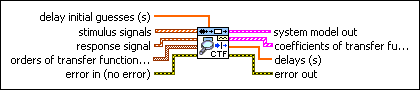
SI Estimate Continuous Transfer Function Model (MISO Waveform)
|
delay initial guesses (s) specifies the initial guess of the system delay. The default is NaN, which means no delay exists in this transfer function. | ||||
 |
stimulus signals specifies the input waveform array of the stimulus signals. Each element of the array is the waveform of one stimulus signal. | ||||
|
response signal specifies the input waveform of the response signal. | ||||
 |
orders of transfer function model specifies the numerator and denominator orders of the transfer function (TF) model.
| ||||
|
error in describes error conditions that occur before this node runs. This input provides standard error in functionality. | ||||
|
system model out returns information about the model structure, nominal or estimated parameters, identification result, and so on. Use the Model Management VIs to retrieve the information system model out contains.
|
||||
|
coefficients of transfer function model returns the coefficients of the transfer function model.
| ||||
 |
delays (s) returns the estimated delay of the system in seconds. | ||||
|
error out contains error information. This output provides standard error out functionality. |
SI Estimate Continuous Transfer Function Model (MISO Array)

|
delay initial guesses (s) specifies the initial guess of the system delay. The default is NaN, which means no delay exists in this transfer function. | ||||
 |
stimulus signals specifies an array that represents the stimulus signals. Each row in the array is one stimulus signal. | ||||
|
response signal specifies an array that represents the response signal. | ||||
|
orders of transfer function model specifies the numerator and denominator orders of the transfer function (TF) model.
| ||||
|
error in describes error conditions that occur before this node runs. This input provides standard error in functionality. | ||||
|
sampling rate (Hz) is the signal sampling rate in hertz. The value of sampling rate must be greater than 0. | ||||
|
system model out returns information about the model structure, nominal or estimated parameters, identification result, and so on. Use the Model Management VIs to retrieve the information system model out contains.
|
||||
|
coefficients of transfer function model returns the coefficients of the transfer function model.
| ||||
|
delays (s) returns the estimated delay of the system in seconds. | ||||
|
error out contains error information. This output provides standard error out functionality. |
SI Estimate Discrete Transfer Function Model (Direct SISO Waveform)

|
stimulus signal specifies the input waveform of the stimulus signal. | ||||
|
response signal specifies the input waveform of the response signal. | ||||
|
orders of transfer function model specifies the numerator and denominator orders of the transfer function model.
| ||||
|
error in describes error conditions that occur before this node runs. This input provides standard error in functionality. | ||||
|
system model out returns information about the model structure, nominal or estimated parameters, identification result, and so on. Use the Model Management VIs to retrieve the information system model out contains.
|
||||
|
coefficients of transfer function model returns the coefficients of the transfer function model.
| ||||
|
error out contains error information. This output provides standard error out functionality. |
SI Estimate Discrete Transfer Function Model (Direct SISO Array)

|
stimulus signal specifies an array that represents the stimulus signal. | ||||
|
response signal specifies an array that represents the response signal. | ||||
|
orders of transfer function model specifies the numerator and denominator orders of the transfer function model.
| ||||
|
error in describes error conditions that occur before this node runs. This input provides standard error in functionality. | ||||
|
sampling rate (Hz) is the signal sampling rate in hertz. The value of sampling rate must be greater than 0. | ||||
|
system model out returns information about the model structure, nominal or estimated parameters, identification result, and so on. Use the Model Management VIs to retrieve the information system model out contains.
|
||||
|
coefficients of transfer function model returns the coefficients of the transfer function model.
| ||||
|
error out contains error information. This output provides standard error out functionality. |
SI Estimate Discrete Transfer Function Model (Indirect SISO Waveform)

 |
discrete controller specifies information about the discrete, linear controller, such as the controller numerator, controller denominator, and controller structure. | ||||
|
reference signal specifies the input waveform of the reference signal. | ||||
|
response signal specifies the input waveform of the response signal. | ||||
|
orders of transfer function model specifies the numerator and denominator orders of the transfer function model.
| ||||
|
error in describes error conditions that occur before this node runs. This input provides standard error in functionality. | ||||
|
tolerance determines zero-pole cancellations. If the difference between the location of a pole and a zero is within the tolerance, this VI removes the zero-pole pair. You can visually inspect the location difference in the pole-zero plot. The default is 1E-12. | ||||
|
system model out returns information about the model structure, nominal or estimated parameters, identification result, and so on. Use the Model Management VIs to retrieve the information system model out contains.
|
||||
|
coefficients of transfer function model returns the coefficients of the transfer function model.
| ||||
|
error out contains error information. This output provides standard error out functionality. |
SI Estimate Discrete Transfer Function Model (Indirect SISO Array)

|
discrete controller specifies information about the discrete, linear controller, such as the controller numerator, controller denominator, and controller structure. | ||||
|
reference signal specifies the input array of the reference signal. | ||||
|
response signal specifies an array that represents the response signal. | ||||
|
orders of transfer function model specifies the numerator and denominator orders of the transfer function model.
| ||||
|
error in describes error conditions that occur before this node runs. This input provides standard error in functionality. | ||||
|
sampling rate (Hz) is the signal sampling rate in hertz. The value of sampling rate must be greater than 0. | ||||
|
tolerance determines zero-pole cancellations. If the difference between the location of a pole and a zero is within the tolerance, this VI removes the zero-pole pair. You can visually inspect the location difference in the pole-zero plot. The default is 1E-12. | ||||
|
system model out returns information about the model structure, nominal or estimated parameters, identification result, and so on. Use the Model Management VIs to retrieve the information system model out contains.
|
||||
|
coefficients of transfer function model returns the coefficients of the transfer function model.
| ||||
|
error out contains error information. This output provides standard error out functionality. |
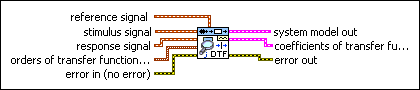
SI Estimate Discrete Transfer Function Model (Joint SISO Waveform)
|
reference signal specifies the input waveform of the reference signal. | ||||
|
stimulus signal specifies the input waveform of the stimulus signal. | ||||
|
response signal specifies the input waveform of the response signal. | ||||
|
orders of transfer function model specifies the numerator and denominator orders of the transfer function model.
| ||||
|
error in describes error conditions that occur before this node runs. This input provides standard error in functionality. | ||||
|
system model out returns information about the model structure, nominal or estimated parameters, identification result, and so on. Use the Model Management VIs to retrieve the information system model out contains.
|
||||
|
coefficients of transfer function model returns the coefficients of the transfer function model.
| ||||
|
error out contains error information. This output provides standard error out functionality. |
SI Estimate Discrete Transfer Function Model (Joint SISO Array)

|
reference signal specifies the input array of the reference signal. | ||||
|
stimulus signal specifies an array that represents the stimulus signal. | ||||
|
response signal specifies an array that represents the response signal. | ||||
|
orders of transfer function model specifies the numerator and denominator orders of the transfer function model.
| ||||
|
error in describes error conditions that occur before this node runs. This input provides standard error in functionality. | ||||
|
sampling rate (Hz) is the signal sampling rate in hertz. The value of sampling rate must be greater than 0. | ||||
|
system model out returns information about the model structure, nominal or estimated parameters, identification result, and so on. Use the Model Management VIs to retrieve the information system model out contains.
|
||||
|
coefficients of transfer function model returns the coefficients of the transfer function model.
| ||||
|
error out contains error information. This output provides standard error out functionality. |
SI Estimate Continuous Transfer Function Model (Step Response SISO Waveform)

|
settings specifies whether the dynamic system contains delay and whether the stimulus signal and response signal contain initial condition parts.
| ||||
|
stimulus signal specifies the input waveform of the step stimulus signal. This signal begins with an initial condition part and ends with a steady state part. Ensure each part contains enough data samples according to the sampling rate of the device you use. Set signal with initial part? to FALSE if this signal does not contain an initial condition part. | ||||
|
response signal specifies the input waveform of the step response signal. This signal begins with an initial condition part and ends with a steady state part. Ensure each part contains enough data samples according to the sampling rate of the device you use. Set signal with initial part? to FALSE if this signal does not contain an initial condition part. | ||||
|
orders of transfer function model specifies the numerator and denominator orders of the transfer function (TF) model. If the orders you specified does not match the order of the dynamic system, this VI returns a model with the specified order to approximate the dynamic system.
| ||||
|
error in describes error conditions that occur before this node runs. This input provides standard error in functionality. | ||||
|
system model out returns information about the model structure, nominal or estimated parameters, identification result, and so on. Use the Model Management VIs to retrieve the information system model out contains.
|
||||
|
coefficients of transfer function model returns the coefficients of the transfer function model.
| ||||
|
delay (s) returns the estimated delay of the system in seconds. | ||||
|
error out contains error information. This output provides standard error out functionality. |

SI Estimate Continuous Transfer Function Model (Step Response SISO Array)

|
settings specifies whether the dynamic system contains delay and whether the stimulus signal and response signal contain initial condition parts.
| ||||
|
stimulus signal specifies an array that represents the step stimulus signal. This signal begins with an initial condition part and ends with a steady state part. Ensure each part contains enough data samples according to the sampling rate of the device you use. Set signal with initial part? to FALSE if this signal does not contain an initial condition part. | ||||
|
response signal specifies an array that represents the step response signal. This signal begins with an initial condition part and ends with a steady state part. Ensure each part contains enough data samples according to the sampling rate of the device you use. Set signal with initial part? to FALSE if this signal does not contain an initial condition part. | ||||
|
orders of transfer function model specifies the numerator and denominator orders of the transfer function (TF) model. If the orders you specified does not match the order of the dynamic system, this VI returns a model with the specified order to approximate the dynamic system.
| ||||
|
error in describes error conditions that occur before this node runs. This input provides standard error in functionality. | ||||
|
sampling rate (Hz) specifies the sampling frequency in hertz. The value of sampling rate must be greater than 0. sampling rate is ignored if the file type is a waveforms data file. | ||||
|
system model out returns information about the model structure, nominal or estimated parameters, identification result, and so on. Use the Model Management VIs to retrieve the information system model out contains.
|
||||
|
coefficients of transfer function model returns the coefficients of the transfer function model.
| ||||
|
delay (s) returns the estimated delay of the system in seconds. | ||||
|
error out contains error information. This output provides standard error out functionality. |
SI Estimate Transfer Function Model Details
The SI Estimate Transfer Function Model VI supports SISO and MISO systems for continuous models. You can provide an initial guess to the system delay using the delay initial guess (s) or delay initial guesses (s) input.
The SI Estimate Transfer Function Model VI supports only SISO systems for discrete models. This VI provides three methods to estimate discrete models: the direct, indirect, and joint input-output methods. The direct method works for both open-loop and closed-loop data. The indirect and joint input-output methods are used only for closed-loop data.
This VI also provides the least mean squares method to estimate a continuous SISO model by using step response signals.
Examples
Refer to the following VIs for examples of using the SI Estimate Transfer Function Model VI:
- Discrete Transfer Function Model (Direct Method) VI: labview\examples\System Identification\Getting Started\Closed-Loop Estimation.llb
- Discrete Transfer Function Model (Indirect Method) VI: labview\examples\System Identification\Getting Started\Closed-Loop Estimation.llb
- Discrete Transfer Function Model (Joint Input-Output Method) VI: labview\examples\System Identification\Getting Started\Closed-Loop Estimation.llb