CD Parallel VI
- Updated2023-03-14
- 29 minute(s) read
CD Parallel VI
Owning Palette: Model Interconnection VIs
Requires: Control Design and Simulation Module
Connects two linear models in parallel. The system models must either be continuous-time models or have the same sampling time if they are discrete-time models. Wire data to the Model 1 and Model 2 inputs to determine the polymorphic instance to use or manually select the instance.
CD Parallel State-Space and State-Space

 |
Input Connections specifies the pair of inputs, from Model 1 and Model 2, connected in parallel.
| ||||||||
 |
Model 1 is the first model this VI uses in creating the Parallel Model. | ||||||||
|
Model 2 is the second model this VI uses in creating the Parallel Model. | ||||||||
 |
error in describes error conditions that occur before this node runs. This input provides standard error in functionality. | ||||||||
 |
Output Connections specifies the pair of outputs, from Model 1 and Model 2, connected in parallel.
| ||||||||
|
Delay Adjustment Settings approximates the delay that this VI eliminated by connecting the models. With continuous systems, the approximation is based on Pade approximation, while discrete systems increase the system order to account for delay.
If you specify FALSE for the Adjust Model for Delay parameter, this VI does not make any approximation for any delay.
| ||||||||
 |
Parallel Model returns the new system that results from this VI connecting Model 1 and Model 2 in parallel according to the Input Connections and Output Connections specification. When the two input models are different model types, this VI determines the model type of the resulting model by the following model hierarchy: state-space>transfer function>zero-pole-gain. For example, if one input is a state-space model and the other is a zero-pole-gain model, the resulting model is a state-space model. To access and modify the data in the model, use the Model Information VIs. | ||||||||
 |
error out contains error information. This output provides standard error out functionality. |


CD Parallel State-Space and Transfer Function
This VI converts transfer function models into state-space models before connecting the models.

|
Input Connections specifies the pair of inputs, from Model 1 and Model 2, connected in parallel.
| ||||||||
|
Model 1 is the first model this VI uses in creating the Parallel Model. | ||||||||
|
Model 2 is the second model this VI uses in creating the Parallel Model. | ||||||||
|
error in describes error conditions that occur before this node runs. This input provides standard error in functionality. | ||||||||
|
Output Connections specifies the pair of outputs, from Model 1 and Model 2, connected in parallel.
| ||||||||
|
Delay Adjustment Settings approximates the delay that this VI eliminated by connecting the models. With continuous systems, the approximation is based on Pade approximation, while discrete systems increase the system order to account for delay.
If you specify FALSE for the Adjust Model for Delay parameter, this VI does not make any approximation for any delay.
| ||||||||
|
Parallel Model returns the new system that results from this VI connecting Model 1 and Model 2 in parallel according to the Input Connections and Output Connections specification. When the two input models are different model types, this VI determines the model type of the resulting model by the following model hierarchy: state-space>transfer function>zero-pole-gain. For example, if one input is a state-space model and the other is a zero-pole-gain model, the resulting model is a state-space model. To access and modify the data in the model, use the Model Information VIs. | ||||||||
|
error out contains error information. This output provides standard error out functionality. |
CD Parallel State-Space and Zero-Pole-Gain
This VI converts zero-pole-gain models into state-space models before connecting the models.

|
Input Connections specifies the pair of inputs, from Model 1 and Model 2, connected in parallel.
| ||||||||
|
Model 1 is the first model this VI uses in creating the Parallel Model. | ||||||||
|
Model 2 is the second model this VI uses in creating the Parallel Model. | ||||||||
|
error in describes error conditions that occur before this node runs. This input provides standard error in functionality. | ||||||||
|
Output Connections specifies the pair of outputs, from Model 1 and Model 2, connected in parallel.
| ||||||||
|
Delay Adjustment Settings approximates the delay that this VI eliminated by connecting the models. With continuous systems, the approximation is based on Pade approximation, while discrete systems increase the system order to account for delay.
If you specify FALSE for the Adjust Model for Delay parameter, this VI does not make any approximation for any delay.
| ||||||||
|
Parallel Model returns the new system that results from this VI connecting Model 1 and Model 2 in parallel according to the Input Connections and Output Connections specification. When the two input models are different model types, this VI determines the model type of the resulting model by the following model hierarchy: state-space>transfer function>zero-pole-gain. For example, if one input is a state-space model and the other is a zero-pole-gain model, the resulting model is a state-space model. To access and modify the data in the model, use the Model Information VIs. | ||||||||
|
error out contains error information. This output provides standard error out functionality. |
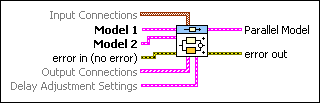
CD Parallel Transfer Function and State-Space
This VI converts transfer function models into state-space models before connecting the models.
|
Input Connections specifies the pair of inputs, from Model 1 and Model 2, connected in parallel.
| ||||||||
|
Model 1 is the first model this VI uses in creating the Parallel Model. | ||||||||
|
Model 2 is the second model this VI uses in creating the Parallel Model. | ||||||||
|
error in describes error conditions that occur before this node runs. This input provides standard error in functionality. | ||||||||
|
Output Connections specifies the pair of outputs, from Model 1 and Model 2, connected in parallel.
| ||||||||
|
Delay Adjustment Settings approximates the delay that this VI eliminated by connecting the models. With continuous systems, the approximation is based on Pade approximation, while discrete systems increase the system order to account for delay.
If you specify FALSE for the Adjust Model for Delay parameter, this VI does not make any approximation for any delay.
| ||||||||
|
Parallel Model returns the new system that results from this VI connecting Model 1 and Model 2 in parallel according to the Input Connections and Output Connections specification. When the two input models are different model types, this VI determines the model type of the resulting model by the following model hierarchy: state-space>transfer function>zero-pole-gain. For example, if one input is a state-space model and the other is a zero-pole-gain model, the resulting model is a state-space model. To access and modify the data in the model, use the Model Information VIs. | ||||||||
|
error out contains error information. This output provides standard error out functionality. |
CD Parallel Transfer Function and Transfer Function

|
Input Connections specifies the pair of inputs, from Model 1 and Model 2, connected in parallel.
| ||||||||
|
Model 1 is the first model this VI uses in creating the Parallel Model. | ||||||||
|
Model 2 is the second model this VI uses in creating the Parallel Model. | ||||||||
|
error in describes error conditions that occur before this node runs. This input provides standard error in functionality. | ||||||||
|
Output Connections specifies the pair of outputs, from Model 1 and Model 2, connected in parallel.
| ||||||||
|
Delay Adjustment Settings approximates the delay that this VI eliminated by connecting the models. With continuous systems, the approximation is based on Pade approximation, while discrete systems increase the system order to account for delay.
If you specify FALSE for the Adjust Model for Delay parameter, this VI does not make any approximation for any delay.
| ||||||||
|
Parallel Model returns the new system that results from this VI connecting Model 1 and Model 2 in parallel according to the Input Connections and Output Connections specification. When the two input models are different model types, this VI determines the model type of the resulting model by the following model hierarchy: state-space>transfer function>zero-pole-gain. For example, if one input is a state-space model and the other is a zero-pole-gain model, the resulting model is a state-space model. To access and modify the data in the model, use the Model Information VIs. | ||||||||
|
error out contains error information. This output provides standard error out functionality. |
CD Parallel Transfer Function and Zero-Pole-Gain
This VI converts zero-pole-gain models into transfer function models before connecting the models.

|
Input Connections specifies the pair of inputs, from Model 1 and Model 2, connected in parallel.
| ||||||||
|
Model 1 is the first model this VI uses in creating the Parallel Model. | ||||||||
|
Model 2 is the second model this VI uses in creating the Parallel Model. | ||||||||
|
error in describes error conditions that occur before this node runs. This input provides standard error in functionality. | ||||||||
|
Output Connections specifies the pair of outputs, from Model 1 and Model 2, connected in parallel.
| ||||||||
|
Delay Adjustment Settings approximates the delay that this VI eliminated by connecting the models. With continuous systems, the approximation is based on Pade approximation, while discrete systems increase the system order to account for delay.
If you specify FALSE for the Adjust Model for Delay parameter, this VI does not make any approximation for any delay.
| ||||||||
|
Parallel Model returns the new system that results from this VI connecting Model 1 and Model 2 in parallel according to the Input Connections and Output Connections specification. When the two input models are different model types, this VI determines the model type of the resulting model by the following model hierarchy: state-space>transfer function>zero-pole-gain. For example, if one input is a state-space model and the other is a zero-pole-gain model, the resulting model is a state-space model. To access and modify the data in the model, use the Model Information VIs. | ||||||||
|
error out contains error information. This output provides standard error out functionality. |
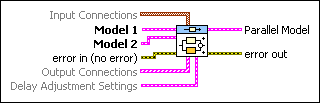
CD Parallel Zero-Pole-Gain and State-Space
This VI converts zero-pole-gain models into state-space models before connecting the models.
|
Input Connections specifies the pair of inputs, from Model 1 and Model 2, connected in parallel.
| ||||||||
|
Model 1 is the first model this VI uses in creating the Parallel Model. | ||||||||
|
Model 2 is the second model this VI uses in creating the Parallel Model. | ||||||||
|
error in describes error conditions that occur before this node runs. This input provides standard error in functionality. | ||||||||
|
Output Connections specifies the pair of outputs, from Model 1 and Model 2, connected in parallel.
| ||||||||
|
Delay Adjustment Settings approximates the delay that this VI eliminated by connecting the models. With continuous systems, the approximation is based on Pade approximation, while discrete systems increase the system order to account for delay.
If you specify FALSE for the Adjust Model for Delay parameter, this VI does not make any approximation for any delay.
| ||||||||
|
Parallel Model returns the new system that results from this VI connecting Model 1 and Model 2 in parallel according to the Input Connections and Output Connections specification. When the two input models are different model types, this VI determines the model type of the resulting model by the following model hierarchy: state-space>transfer function>zero-pole-gain. For example, if one input is a state-space model and the other is a zero-pole-gain model, the resulting model is a state-space model. To access and modify the data in the model, use the Model Information VIs. | ||||||||
|
error out contains error information. This output provides standard error out functionality. |
CD Parallel Zero-Pole-Gain and Transfer Function
This VI converts zero-pole-gain models into transfer function models before connecting the models.

|
Input Connections specifies the pair of inputs, from Model 1 and Model 2, connected in parallel.
| ||||||||
|
Model 1 is the first model this VI uses in creating the Parallel Model. | ||||||||
|
Model 2 is the second model this VI uses in creating the Parallel Model. | ||||||||
|
error in describes error conditions that occur before this node runs. This input provides standard error in functionality. | ||||||||
|
Output Connections specifies the pair of outputs, from Model 1 and Model 2, connected in parallel.
| ||||||||
|
Delay Adjustment Settings approximates the delay that this VI eliminated by connecting the models. With continuous systems, the approximation is based on Pade approximation, while discrete systems increase the system order to account for delay.
If you specify FALSE for the Adjust Model for Delay parameter, this VI does not make any approximation for any delay.
| ||||||||
|
Parallel Model returns the new system that results from this VI connecting Model 1 and Model 2 in parallel according to the Input Connections and Output Connections specification. When the two input models are different model types, this VI determines the model type of the resulting model by the following model hierarchy: state-space>transfer function>zero-pole-gain. For example, if one input is a state-space model and the other is a zero-pole-gain model, the resulting model is a state-space model. To access and modify the data in the model, use the Model Information VIs. | ||||||||
|
error out contains error information. This output provides standard error out functionality. |
CD Parallel Zero-Pole-Gain and Zero-Pole-Gain

|
Input Connections specifies the pair of inputs, from Model 1 and Model 2, connected in parallel.
| ||||||||
|
Model 1 is the first model this VI uses in creating the Parallel Model. | ||||||||
|
Model 2 is the second model this VI uses in creating the Parallel Model. | ||||||||
|
error in describes error conditions that occur before this node runs. This input provides standard error in functionality. | ||||||||
|
Output Connections specifies the pair of outputs, from Model 1 and Model 2, connected in parallel.
| ||||||||
|
Delay Adjustment Settings approximates the delay that this VI eliminated by connecting the models. With continuous systems, the approximation is based on Pade approximation, while discrete systems increase the system order to account for delay.
If you specify FALSE for the Adjust Model for Delay parameter, this VI does not make any approximation for any delay.
| ||||||||
|
Parallel Model returns the new system that results from this VI connecting Model 1 and Model 2 in parallel according to the Input Connections and Output Connections specification. When the two input models are different model types, this VI determines the model type of the resulting model by the following model hierarchy: state-space>transfer function>zero-pole-gain. For example, if one input is a state-space model and the other is a zero-pole-gain model, the resulting model is a state-space model. To access and modify the data in the model, use the Model Information VIs. | ||||||||
|
error out contains error information. This output provides standard error out functionality. |
CD Parallel Details
This VI might convert one or both input models to different forms before connecting the models. Refer to the LabVIEW Control Design User Manual for more information about connecting models in parallel.
This VI supports delays for single-input single-output models. For multiple-input multiple-output models, this VI transfers the delays of the outputs of the first model, which connect to the inputs of the second model, to the inputs of the first model. Likewise, this VI transfers the delays of the inputs of the second model, which connect to the outputs of the first model, to the outputs of the second model.
This VI transfers the delay because the connected input-output pair disappears from the resulting series model. You can lose some transport delay information when this VI eliminates such connected input-output pairs in the resulting series model. You can configure this VI to incorporate delays into the resulting series model by using the CD Convert Delay with Pade Approximation VI (continuous models) or the CD Convert Delay to Poles at Origin VI (discrete models). Refer to the LabVIEW Control Design User Manual for more information about delays and the limitations of Pade Approximation.