SI Estimate Orders of System Model VI
- Updated2023-03-14
- 28 minute(s) read
SI Estimate Orders of System Model VI
Owning Palette: Parametric Model Estimation VIs
Requires: Advanced Signal Processing Toolkit or Control Design and Simulation Module
Searches the model of an unknown system for the optimal orders and delay.
SI Estimate Orders of System Model (AR SISO Array)

 |
method specifies the method used to estimate the orders and delay.
|
||||||||
 |
response signal specifies an array that represents the response signal. | ||||||||
 |
order range specifies the order range to search for the optimal order.
| ||||||||
 |
error in describes error conditions that occur before this node runs. This input provides standard error in functionality. | ||||||||
|
response for validation is the system response signal that this VI uses to validate the model it builds with response signal. | ||||||||
 |
optimal AR order returns the optimal order for the model. Use the Model Management VIs to retrieve the optimal orders and delay from the optimal AR order output. | ||||||||
 |
prediction error returns the prediction error in percent of the variance of the measured response signal versus the model dimension. prediction error also returns the optimal dimension selected by Final Prediction Error (FPE), Akaike's Information Criterion (AIC), or the Minimum Description Length (MDL) criterion. | ||||||||
 |
error out contains error information. This output provides standard error out functionality. |

SI Estimate Orders of System Model (ARX SISO Array)

|
method specifies the method used to estimate the orders and delay.
|
||||||||||||
|
stimulus signal specifies an array that represents the stimulus signal. | ||||||||||||
|
response signal specifies an array that represents the response signal. | ||||||||||||
|
order range specifies the order range to search for the optimal order.
| ||||||||||||
|
error in describes error conditions that occur before this node runs. This input provides standard error in functionality. | ||||||||||||
 |
stimulus for validation is the system stimulus signal that this VI uses to validate the model it builds with stimulus signal and response signal. | ||||||||||||
|
response for validation is the system response signal that this VI uses to validate the model it builds with stimulus signal and response signal. | ||||||||||||
 |
optimal orders returns the optimal orders and delays for the model. Use the Model Management VIs to retrieve the optimal orders and delay from the optimal orders output.
| ||||||||||||
|
prediction error returns the prediction error in percent of the variance of the measured response signal versus the model dimension. prediction error also returns the optimal dimension selected by Final Prediction Error (FPE), Akaike's Information Criterion (AIC), or the Minimum Description Length (MDL) criterion. | ||||||||||||
 |
orders returns the optimal orders at each model dimension. The model dimension ranges from the value of A order low + B order low to the value of A order high + B order high.
| ||||||||||||
|
error out contains error information. This output provides standard error out functionality. |
SI Estimate Orders of System Model (ARMAX SISO Array)

|
method specifies the method used to estimate the orders and delay.
|
||||||||||||||||
|
stimulus signal specifies an array that represents the stimulus signal. | ||||||||||||||||
|
response signal specifies an array that represents the response signal. | ||||||||||||||||
|
order range specifies the order range to search for the optimal order.
| ||||||||||||||||
|
error in describes error conditions that occur before this node runs. This input provides standard error in functionality. | ||||||||||||||||
|
stimulus for validation is the system stimulus signal that this VI uses to validate the model it builds with stimulus signal and response signal. | ||||||||||||||||
|
response for validation is the system response signal that this VI uses to validate the model it builds with stimulus signal and response signal. | ||||||||||||||||
|
optimal orders returns the optimal orders and delays for the model. Use the Model Management VIs to retrieve the optimal orders and delay from the optimal orders output.
| ||||||||||||||||
|
prediction error returns the prediction error in percent of the variance of the measured response signal versus the model dimension. prediction error also returns the optimal dimension selected by Final Prediction Error (FPE), Akaike's Information Criterion (AIC), or the Minimum Description Length (MDL) criterion. | ||||||||||||||||
|
orders returns the optimal orders at each model dimension. The model dimension ranges from the value of A order low + B order low + C order low to the value of A order high + B order high + C order high.
| ||||||||||||||||
|
error out contains error information. This output provides standard error out functionality. |
SI Estimate Orders of System Model (OE SISO Array)

|
method specifies the method used to estimate the orders and delay.
|
||||||||||||
|
stimulus signal specifies an array that represents the stimulus signal. | ||||||||||||
|
response signal specifies an array that represents the response signal. | ||||||||||||
|
order range specifies the order range to search for the optimal order.
| ||||||||||||
|
error in describes error conditions that occur before this node runs. This input provides standard error in functionality. | ||||||||||||
|
stimulus for validation is the system stimulus signal that this VI uses to validate the model it builds with stimulus signal and response signal. | ||||||||||||
|
response for validation is the system response signal that this VI uses to validate the model it builds with stimulus signal and response signal. | ||||||||||||
|
optimal orders returns the optimal orders and delays for the model. Use the Model Management VIs to retrieve the optimal orders and delay from the optimal orders output.
| ||||||||||||
|
prediction error returns the prediction error in percent of the variance of the measured response signal versus the model dimension. prediction error also returns the optimal dimension selected by Final Prediction Error (FPE), Akaike's Information Criterion (AIC), or the Minimum Description Length (MDL) criterion. | ||||||||||||
|
orders returns the optimal orders at each model dimension. The model dimension ranges from the value of B order low + F order low to the value of B order high + F order high.
| ||||||||||||
|
error out contains error information. This output provides standard error out functionality. |
SI Estimate Orders of System Model (BJ SISO Array)

|
method specifies the method used to estimate the orders and delay.
|
||||||||||||||||||||
|
stimulus signal specifies an array that represents the stimulus signal. | ||||||||||||||||||||
|
response signal specifies an array that represents the response signal. | ||||||||||||||||||||
|
order range specifies the order range to search for the optimal order.
| ||||||||||||||||||||
|
error in describes error conditions that occur before this node runs. This input provides standard error in functionality. | ||||||||||||||||||||
|
stimulus for validation is the system stimulus signal that this VI uses to validate the model it builds with stimulus signal and response signal. | ||||||||||||||||||||
|
response for validation is the system response signal that this VI uses to validate the model it builds with stimulus signal and response signal. | ||||||||||||||||||||
|
optimal orders returns the optimal orders and delays for the model. Use the Model Management VIs to retrieve the optimal orders and delay from the optimal orders output.
| ||||||||||||||||||||
|
prediction error returns the prediction error in percent of the variance of the measured response signal versus the model dimension. prediction error also returns the optimal dimension selected by Final Prediction Error (FPE), Akaike's Information Criterion (AIC), or the Minimum Description Length (MDL) criterion. | ||||||||||||||||||||
|
orders returns the optimal orders at each model dimension. The model dimension ranges from the value of B order low + F order low + C order low + D order low to the value of B order high + F order high + C order high + D order high.
| ||||||||||||||||||||
|
error out contains error information. This output provides standard error out functionality. |
SI Estimate Orders of System Model (GL SISO Array)

|
method specifies the method used to estimate the orders and delay.
|
||||||||||||||||||||||||
|
stimulus signal specifies an array that represents the stimulus signal. | ||||||||||||||||||||||||
|
response signal specifies an array that represents the response signal. | ||||||||||||||||||||||||
|
order range specifies the order range to search for the optimal order.
| ||||||||||||||||||||||||
|
error in describes error conditions that occur before this node runs. This input provides standard error in functionality. | ||||||||||||||||||||||||
|
stimulus for validation is the system stimulus signal that this VI uses to validate the model it builds with stimulus signal and response signal. | ||||||||||||||||||||||||
|
response for validation is the system response signal that this VI uses to validate the model it builds with stimulus signal and response signal. | ||||||||||||||||||||||||
|
optimal orders returns the optimal orders and delays for the model. Use the Model Management VIs to retrieve the optimal orders and delay from the optimal orders output.
| ||||||||||||||||||||||||
|
prediction error returns the prediction error in percent of the variance of the measured response signal versus the model dimension. prediction error also returns the optimal dimension selected by Final Prediction Error (FPE), Akaike's Information Criterion (AIC), or the Minimum Description Length (MDL) criterion. | ||||||||||||||||||||||||
|
orders returns the optimal orders at each model dimension. The model dimension ranges from the value of A order low + B order low + F order low + C order low + D order low to the value of A order high + B order high + F order high + C order high + D order high.
| ||||||||||||||||||||||||
|
error out contains error information. This output provides standard error out functionality. |
SI Estimate Orders of System Model (State-Space SISO Waveform)

 |
stimulus signal specifies the input waveform of the stimulus signal. |
|
response signal specifies the input waveform of the response signal. |
 |
order specifies the number of states in the state-space model to build. |
|
error in describes error conditions that occur before this node runs. This input provides standard error in functionality. |
|
optimal order returns the number of significant singular values in the state-space model, whose number of states equals order. Use the Model Management VIs to retrieve the optimal orders and delay from the optimal order output. |
 |
singular values returns the singular values of matrix A in the state-space model. |
|
error out contains error information. This output provides standard error out functionality. |
SI Estimate Orders of System Model (State-Space SISO Array)

|
stimulus signal specifies an array that represents the stimulus signal. |
|
response signal specifies an array that represents the response signal. |
|
order specifies the number of states in the state-space model to build. |
|
error in describes error conditions that occur before this node runs. This input provides standard error in functionality. |
|
optimal order returns the number of significant singular values in the state-space model, whose number of states equals order. Use the Model Management VIs to retrieve the optimal orders and delay from the optimal order output. |
|
singular values returns the singular values of matrix A in the state-space model. |
|
error out contains error information. This output provides standard error out functionality. |
SI Estimate Orders of System Model (State-Space MISO Waveform)

 |
stimulus signals specifies the input waveform of the stimulus signals. Each element of the waveform array is the waveform of one stimulus signal. |
|
response signal specifies the input waveform of the response signal. |
|
order specifies the number of states in the state-space model to build. |
|
error in describes error conditions that occur before this node runs. This input provides standard error in functionality. |
|
optimal order returns the number of significant singular values in the state-space model, whose number of states equals order. Use the Model Management VIs to retrieve the optimal orders and delay from the optimal order output. |
|
singular values returns the singular values of matrix A in the state-space model. |
|
error out contains error information. This output provides standard error out functionality. |
SI Estimate Orders of System Model (State-Space MISO Array)

 |
stimulus signals specifies an array that represents the stimulus signals. Each row in the array is one stimulus signal. |
|
response signal specifies an array that represents the response signal. |
|
order specifies the number of states in the state-space model to build. |
|
error in describes error conditions that occur before this node runs. This input provides standard error in functionality. |
|
optimal order returns the number of significant singular values in the state-space model, whose number of states equals order. Use the Model Management VIs to retrieve the optimal orders and delay from the optimal order output. |
|
singular values returns the singular values of matrix A in the state-space model. |
|
error out contains error information. This output provides standard error out functionality. |
SI Estimate Orders of System Model (State-Space MIMO Waveform)
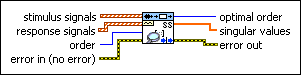
|
stimulus signals specifies the input waveform of the stimulus signals. Each element of the waveform array is the waveform of one stimulus signal. |
|
response signals specifies the input waveform of the response signals. Each element of the waveform array is the waveform of one response signal. |
|
order specifies the number of states in the state-space model to build. |
|
error in describes error conditions that occur before this node runs. This input provides standard error in functionality. |
|
optimal order returns the number of significant singular values in the state-space model, whose number of states equals order. Use the Model Management VIs to retrieve the optimal orders and delay from the optimal order output. |
|
singular values returns the singular values of matrix A in the state-space model. |
|
error out contains error information. This output provides standard error out functionality. |
SI Estimate Orders of System Model (State-Space MIMO Array)

|
stimulus signals specifies an array that represents the stimulus signals. Each row in the array is one stimulus signal. |
|
response signals specifies an array that represents the response signals. Each row in the array is one response signal. |
|
order specifies the number of states in the state-space model to build. |
|
error in describes error conditions that occur before this node runs. This input provides standard error in functionality. |
|
optimal order returns the number of significant singular values in the state-space model, whose number of states equals order. Use the Model Management VIs to retrieve the optimal orders and delay from the optimal order output. |
|
singular values returns the singular values of matrix A in the state-space model. |
|
error out contains error information. This output provides standard error out functionality. |
SI Estimate Orders of System Model Details
Use the optimal orders returned by the SI Estimate Orders of System Model VI as a starting point for building polynomial or state-space system models.
If you want to build polynomial system models, you can use the prediction error output of the corresponding instance of the SI Estimate Orders of System Model VI to obtain the optimal model dimensions. You can display prediction error using an XY graph. The turning point in the curve specifies the optimal model dimension.
If you want to build state-space system models, you can use the singular values output of the State-Space instance of the SI Estimate Orders of System Model VI to obtain the optimal number of states. You can display singular values using an XY graph. The turning point in the curve specifies the optimal number of states. Large singular values indicate physical poles or real poles of the estimated system. Small singular values indicate possible mathematical poles or computational poles coming from noise.
Example
Refer to the Glass Tube VI in the labview\examples\System Identification\Industry Applications\General.llb for an example of using the SI Estimate Orders of System Model VI.