CD Nichols VI
- Updated2023-03-14
- 19 minute(s) read
CD Nichols VI
Owning Palette: Frequency Response VIs
Requires: Control Design and Simulation Module
Creates a Nichols plot of the input system for which this VI plots the magnitude, in decibels, of the frequency response against the phase. You can display this data in the CD Nichols Plot indicator. Wire data to the State-Space Model and Frequency Range inputs to determine the polymorphic instance to use or manually select the instance.
This VI converts state-space and zero-pole-gain models into transfer function models before determining the frequency response.
CD Nichols (Frequency Range, State-Space)

 |
Nichols Graph Reference is a reference to the Nichols Plot on an XY graph. Nichols Graph Reference configures the x-scale, y-scale, and legend properties. If you want to use the default settings or customize the settings for these properties, do not wire a value to this input. | ||||||||||||||||||||||||||
 |
State-Space Model contains a mathematical representation of and information about the system for which this VI produces a Nichols plot. | ||||||||||||||||||||||||||
 |
Frequency Range contains the frequency information of the model.
| ||||||||||||||||||||||||||
 |
error in describes error conditions that occur before this node runs. This input provides standard error in functionality. | ||||||||||||||||||||||||||
 |
Plots Index is an array of clusters of the following two elements.
| ||||||||||||||||||||||||||
 |
Nichols Plot returns the magnitude (in decibels) of the frequency response of the input system this VI plots against its phase (in degrees). The Plots Index input determines which plots to display on the XY graph. Right-click this terminal on the block diagram and select Create»Indicator from the shortcut menu to display this data in a CD Nichols Plot indicator. | ||||||||||||||||||||||||||
 |
Nichols Data returns information about the Nichols plot data. To access the Nichols Data, use the CD Get Frequency Response Data VI.
| ||||||||||||||||||||||||||
 |
error out contains error information. This output provides standard error out functionality. |


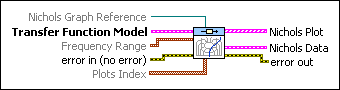
CD Nichols (Frequency Range, Transfer Function)
|
Nichols Graph Reference is a reference to the Nichols Plot on an XY graph. Nichols Graph Reference configures the x-scale, y-scale, and legend properties. If you want to use the default settings or customize the settings for these properties, do not wire a value to this input. | ||||||||||||||||||||||||||
|
Transfer Function Model contains a mathematical representation of and information about the system for which this VI produces a Nichols Plot. | ||||||||||||||||||||||||||
|
Frequency Range contains the frequency information of the model.
| ||||||||||||||||||||||||||
|
error in describes error conditions that occur before this node runs. This input provides standard error in functionality. | ||||||||||||||||||||||||||
|
Plots Index is an array of clusters of the following two elements.
| ||||||||||||||||||||||||||
|
Nichols Plot returns the magnitude (in decibels) of the frequency response of the input system this VI plots against its phase (in degrees). The Plots Index input determines which plots to display on the XY graph. Right-click this terminal on the block diagram and select Create»Indicator from the shortcut menu to display this data in a CD Nichols Plot indicator. | ||||||||||||||||||||||||||
|
Nichols Data returns information about the Nichols plot data. To access the Nichols Data, use the CD Get Frequency Response Data VI.
| ||||||||||||||||||||||||||
|
error out contains error information. This output provides standard error out functionality. |
CD Nichols (Frequency Range, Zero-Pole-Gain)

|
Nichols Graph Reference is a reference to the Nichols Plot on an XY graph. Nichols Graph Reference configures the x-scale, y-scale, and legend properties. If you want to use the default settings or customize the settings for these properties, do not wire a value to this input. | ||||||||||||||||||||||||||
|
Zero-Pole-Gain Modelcontains a mathematical representation of and information about the system for which this VI produces a Nichols plot. | ||||||||||||||||||||||||||
|
Frequency Range contains the frequency information of the model.
| ||||||||||||||||||||||||||
|
error in describes error conditions that occur before this node runs. This input provides standard error in functionality. | ||||||||||||||||||||||||||
|
Plots Index is an array of clusters of the following two elements.
| ||||||||||||||||||||||||||
|
Nichols Plot returns the magnitude (in decibels) of the frequency response of the input system this VI plots against its phase (in degrees). The Plots Index input determines which plots to display on the XY graph. Right-click this terminal on the block diagram and select Create»Indicator from the shortcut menu to display this data in a CD Nichols Plot indicator. | ||||||||||||||||||||||||||
|
Nichols Data returns information about the Nichols plot data. To access the Nichols Data, use the CD Get Frequency Response Data VI.
| ||||||||||||||||||||||||||
|
error out contains error information. This output provides standard error out functionality. |
CD Nichols (Frequency Vector, State-Space)

|
Nichols Graph Reference is a reference to the Nichols Plot on an XY graph. Nichols Graph Reference configures the x-scale, y-scale, and legend properties. If you want to use the default settings or customize the settings for these properties, do not wire a value to this input. | ||||||||||||||||||||||||||
|
State-Space Model contains a mathematical representation of and information about the system for which this VI produces a Nichols plot. | ||||||||||||||||||||||||||
|
Frequency Vector specifies information about the frequencies this VI uses to excite the model.
| ||||||||||||||||||||||||||
|
error in describes error conditions that occur before this node runs. This input provides standard error in functionality. | ||||||||||||||||||||||||||
|
Plots Index is an array of clusters of the following two elements.
| ||||||||||||||||||||||||||
|
Nichols Plot returns the magnitude (in decibels) of the frequency response of the input system this VI plots against its phase (in degrees). The Plots Index input determines which plots to display on the XY graph. Right-click this terminal on the block diagram and select Create»Indicator from the shortcut menu to display this data in a CD Nichols Plot indicator. | ||||||||||||||||||||||||||
|
Nichols Data returns information about the Nichols plot data. To access the Nichols Data, use the CD Get Frequency Response Data VI.
| ||||||||||||||||||||||||||
|
error out contains error information. This output provides standard error out functionality. |

CD Nichols (Frequency Vector, Transfer Function)

|
Nichols Graph Reference is a reference to the Nichols Plot on an XY graph. Nichols Graph Reference configures the x-scale, y-scale, and legend properties. If you want to use the default settings or customize the settings for these properties, do not wire a value to this input. | ||||||||||||||||||||||||||
|
Transfer Function Model contains a mathematical representation of and information about the system for which this VI produces a Nichols Plot. | ||||||||||||||||||||||||||
|
Frequency Vector specifies information about the frequencies this VI uses to excite the model.
| ||||||||||||||||||||||||||
|
error in describes error conditions that occur before this node runs. This input provides standard error in functionality. | ||||||||||||||||||||||||||
|
Plots Index is an array of clusters of the following two elements.
| ||||||||||||||||||||||||||
|
Nichols Plot returns the magnitude (in decibels) of the frequency response of the input system this VI plots against its phase (in degrees). The Plots Index input determines which plots to display on the XY graph. Right-click this terminal on the block diagram and select Create»Indicator from the shortcut menu to display this data in a CD Nichols Plot indicator. | ||||||||||||||||||||||||||
|
Nichols Data returns information about the Nichols plot data. To access the Nichols Data, use the CD Get Frequency Response Data VI.
| ||||||||||||||||||||||||||
|
error out contains error information. This output provides standard error out functionality. |
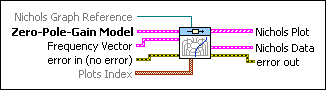
CD Nichols (Frequency Vector, Zero-Pole-Gain)
|
Nichols Graph Reference is a reference to the Nichols Plot on an XY graph. Nichols Graph Reference configures the x-scale, y-scale, and legend properties. If you want to use the default settings or customize the settings for these properties, do not wire a value to this input. | ||||||||||||||||||||||||||
|
Zero-Pole-Gain Modelcontains a mathematical representation of and information about the system for which this VI produces a Nichols plot. | ||||||||||||||||||||||||||
|
Frequency Vector specifies information about the frequencies this VI uses to excite the model.
| ||||||||||||||||||||||||||
|
error in describes error conditions that occur before this node runs. This input provides standard error in functionality. | ||||||||||||||||||||||||||
|
Plots Index is an array of clusters of the following two elements.
| ||||||||||||||||||||||||||
|
Nichols Plot returns the magnitude (in decibels) of the frequency response of the input system this VI plots against its phase (in degrees). The Plots Index input determines which plots to display on the XY graph. Right-click this terminal on the block diagram and select Create»Indicator from the shortcut menu to display this data in a CD Nichols Plot indicator. | ||||||||||||||||||||||||||
|
Nichols Data returns information about the Nichols plot data. To access the Nichols Data, use the CD Get Frequency Response Data VI.
| ||||||||||||||||||||||||||
|
error out contains error information. This output provides standard error out functionality. |
CD Nichols Details
This VI supports delays. Refer to the LabVIEW Control Design User Manual for more information about delays.
Example
Refer to the CDEx Nichols Analysis VI in the labview\examples\Control and Simulation\Control Design\Frequency Analysis directory for an example of using the CD Nichols VI.