SI Estimate Partially Known Continuous Transfer Function Model VI
- Updated2023-02-21
- 14 minute(s) read
SI Estimate Partially Known Continuous Transfer Function Model VI
Owning Palette: Partially Known Model Estimation VIs
Requires: Advanced Signal Processing Toolkit or Control Design and Simulation Module
Estimates a continuous transfer function model for a partially known system. Use the SI Create Partially Known Continuous Transfer Function Model VI to create the model you want to estimate. You must manually select the polymorphic instance to use.
SI Estimate Partially Known Continuous Transfer Function Model (1st Order SISO Waveform)

 |
system model in contains information for the mathematical model of a partially known system. The information includes the model type, model orders, constraints on each of the model coefficients, input and output names of the system, and so on. | ||||
 |
stimulus signal specifies the input waveform of the stimulus signal. | ||||
|
response signal specifies the input waveform of the response signal. | ||||
 |
error in describes error conditions that occur before this node runs. This input provides standard error in functionality. | ||||
 |
static gain returns the static gain of the model. | ||||
 |
system model out returns information about the model structure, nominal or estimated parameters, identification result, and so on. Use the Model Management VIs to retrieve the information system model out contains.
|
||||
|
coefficients of transfer function model returns the coefficients of the transfer function model.
| ||||
|
delay (s) returns the estimated delay, in seconds, of the model. | ||||
 |
error out contains error information. This output provides standard error out functionality. | ||||
|
Tp (s) returns the estimated time constant, in seconds, of the model. |


SI Estimate Partially Known Continuous Transfer Function Model (1st Order SISO Array)

|
system model in contains information for the mathematical model of a partially known system. The information includes the model type, model orders, constraints on each of the model coefficients, input and output names of the system, and so on. | ||||
 |
stimulus signal specifies an array that represents the stimulus signal. | ||||
|
response signal specifies an array that represents the response signal. | ||||
|
error in describes error conditions that occur before this node runs. This input provides standard error in functionality. | ||||
 |
sampling rate (Hz) specifies the sampling frequency in hertz. sampling rate is used when this VI converts the continuous system to a discrete system before simulating the output. | ||||
|
static gain returns the static gain of the model. | ||||
|
system model out returns information about the model structure, nominal or estimated parameters, identification result, and so on. Use the Model Management VIs to retrieve the information system model out contains.
|
||||
|
coefficients of transfer function model returns the coefficients of the transfer function model.
| ||||
|
delay (s) returns the estimated delay, in seconds, of the model. | ||||
|
error out contains error information. This output provides standard error out functionality. | ||||
|
Tp (s) returns the estimated time constant, in seconds, of the model. |
SI Estimate Partially Known Continuous Transfer Function Model (2nd Order SISO Waveform)

|
system model in contains information for the mathematical model of a partially known system. The information includes the model type, model orders, constraints on each of the model coefficients, input and output names of the system, and so on. | ||||
|
stimulus signal specifies the input waveform of the stimulus signal. | ||||
|
response signal specifies the input waveform of the response signal. | ||||
|
error in describes error conditions that occur before this node runs. This input provides standard error in functionality. | ||||
|
static gain returns the static gain of the model. | ||||
|
system model out returns information about the model structure, nominal or estimated parameters, identification result, and so on. Use the Model Management VIs to retrieve the information system model out contains.
|
||||
|
coefficients of transfer function model returns the coefficients of the transfer function model.
| ||||
|
delay (s) returns the estimated delay, in seconds, of the model. | ||||
|
error out contains error information. This output provides standard error out functionality. | ||||
 |
natural freq (rad/s) & damping ratio returns the estimated natural frequency and damping ratio of the model.
|
SI Estimate Partially Known Continuous Transfer Function Model (2nd Order SISO Array)

|
system model in contains information for the mathematical model of a partially known system. The information includes the model type, model orders, constraints on each of the model coefficients, input and output names of the system, and so on. | ||||
|
stimulus signal specifies an array that represents the stimulus signal. | ||||
|
response signal specifies an array that represents the response signal. | ||||
|
error in describes error conditions that occur before this node runs. This input provides standard error in functionality. | ||||
|
sampling rate (Hz) specifies the sampling frequency in hertz. sampling rate is used when this VI converts the continuous system to a discrete system before simulating the output. | ||||
|
static gain returns the static gain of the model. | ||||
|
system model out returns information about the model structure, nominal or estimated parameters, identification result, and so on. Use the Model Management VIs to retrieve the information system model out contains.
|
||||
|
coefficients of transfer function model returns the coefficients of the transfer function model.
| ||||
|
delay (s) returns the estimated delay, in seconds, of the model. | ||||
|
error out contains error information. This output provides standard error out functionality. | ||||
|
natural freq (rad/s) & damping ratio returns the estimated natural frequency and damping ratio of the model.
|
SI Estimate Partially Known Continuous Transfer Function Model (General SISO Waveform)
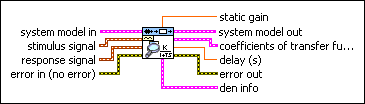
|
system model in contains information for the mathematical model of a partially known system. The information includes the model type, model orders, constraints on each of the model coefficients, input and output names of the system, and so on. | ||||||||
|
stimulus signal specifies the input waveform of the stimulus signal. | ||||||||
|
response signal specifies the input waveform of the response signal. | ||||||||
|
error in describes error conditions that occur before this node runs. This input provides standard error in functionality. | ||||||||
|
static gain returns the static gain of the model. | ||||||||
|
system model out returns information about the model structure, nominal or estimated parameters, identification result, and so on. Use the Model Management VIs to retrieve the information system model out contains.
|
||||||||
|
coefficients of transfer function model returns the coefficients of the transfer function model.
| ||||||||
|
delay (s) returns the estimated delay, in seconds, of the model. | ||||||||
|
error out contains error information. This output provides standard error out functionality. | ||||||||
|
den info returns the estimated denominator of the model.
|
SI Estimate Partially Known Continuous Transfer Function Model (General SISO Array)

|
system model in contains information for the mathematical model of a partially known system. The information includes the model type, model orders, constraints on each of the model coefficients, input and output names of the system, and so on. | ||||||||
|
stimulus signal specifies an array that represents the stimulus signal. | ||||||||
|
response signal specifies an array that represents the response signal. | ||||||||
|
error in describes error conditions that occur before this node runs. This input provides standard error in functionality. | ||||||||
|
sampling rate (Hz) specifies the sampling frequency in hertz. sampling rate is used when this VI converts the continuous system to a discrete system before simulating the output. | ||||||||
|
static gain returns the static gain of the model. | ||||||||
|
system model out returns information about the model structure, nominal or estimated parameters, identification result, and so on. Use the Model Management VIs to retrieve the information system model out contains.
|
||||||||
|
coefficients of transfer function model returns the coefficients of the transfer function model.
| ||||||||
|
delay (s) returns the estimated delay, in seconds, of the model. | ||||||||
|
error out contains error information. This output provides standard error out functionality. | ||||||||
|
den info returns the estimated denominator of the model.
|
SI Estimate Partially Known Continuous Transfer Function Model Details
When estimating continuous transfer function models from array data, you must set the sampling rate for this VI to convert continuous systems to discrete systems. This VI then simulates the output and compares the simulated output with the response signal to optimize estimation.
Examples
Refer to the following VIs for examples of using the SI Estimate Partially Known Continuous Transfer Function Model VI:
- Continuous Transfer Function Model of a DC Motor with Known Gain VI: labview\examples\System Identification\Getting Started\Grey-Box Model.llb
- Ball and Beam VI: labview\examples\System Identification\Industry Applications\Mechanical Systems.llb